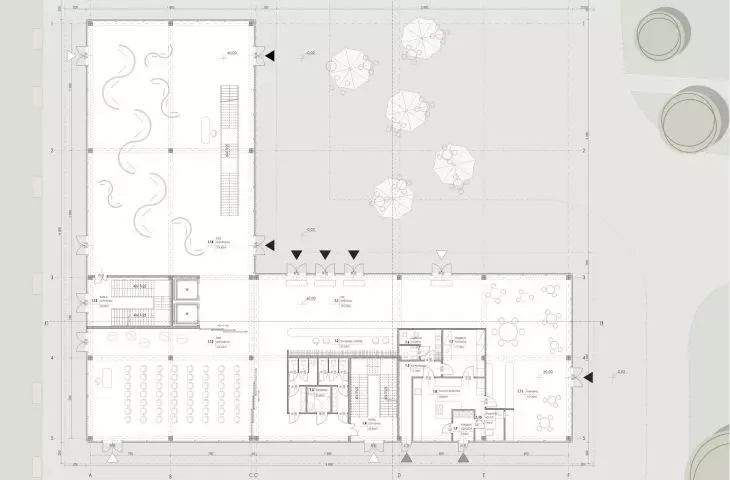
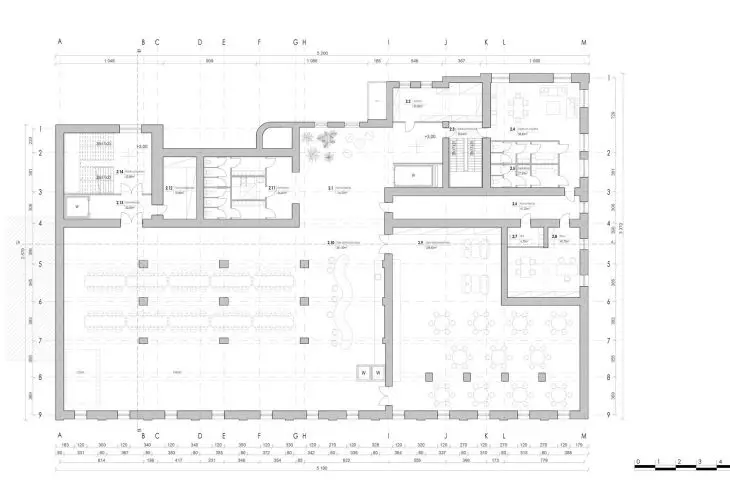
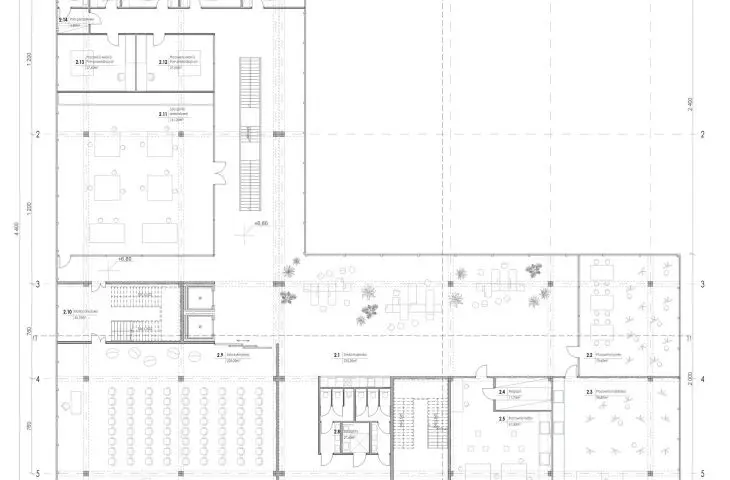
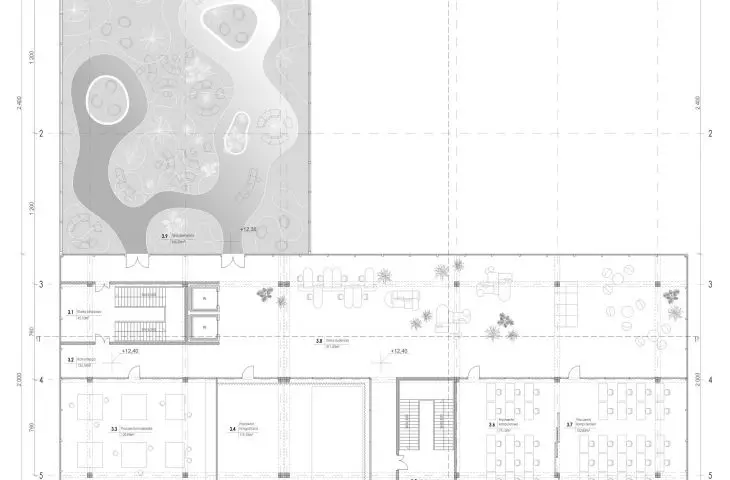
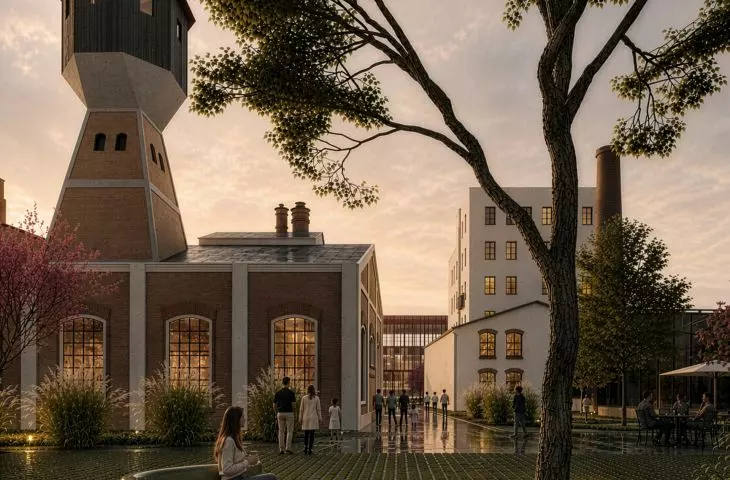
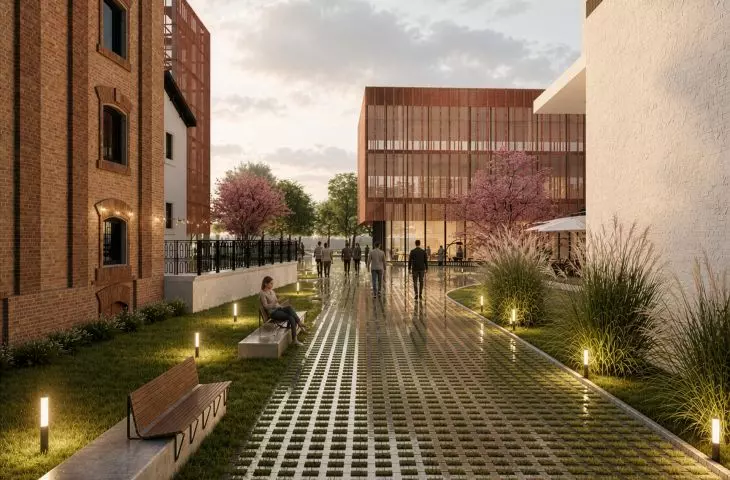
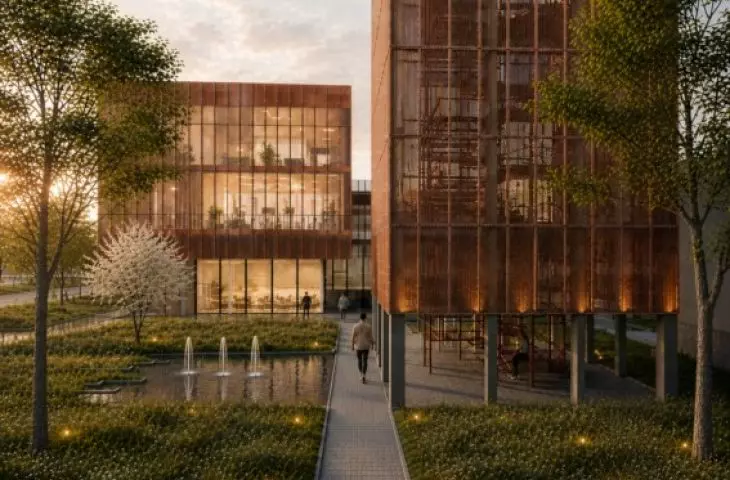
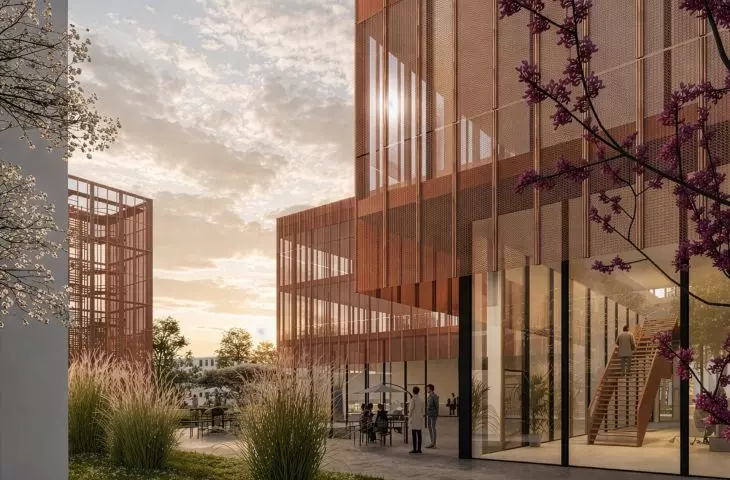
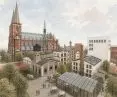

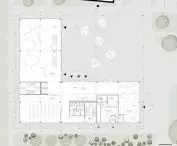
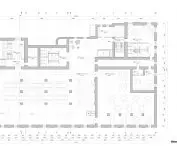
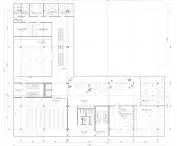
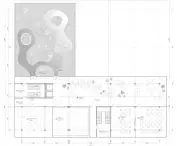



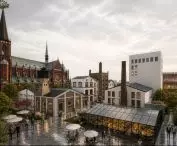
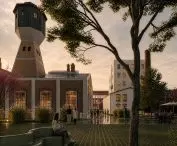

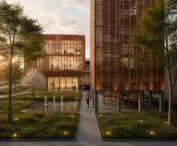
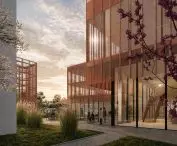

Can abandoned post-industrial sites once again become vibrant parts of the city? Aleksandra Deksymer from the Faculty of Architecture at the Silesian University of Technology is seeking answers to this question. The project titled “Concept for the Revitalization of the Former Kmicic Brewery Complex in Częstochowa — a project to adapt and expand the existing complex into a multifunctional urban complex supporting the revitalization of the area” demonstrates that architecture can effectively combine heritage preservation with a response to the contemporary needs of residents.
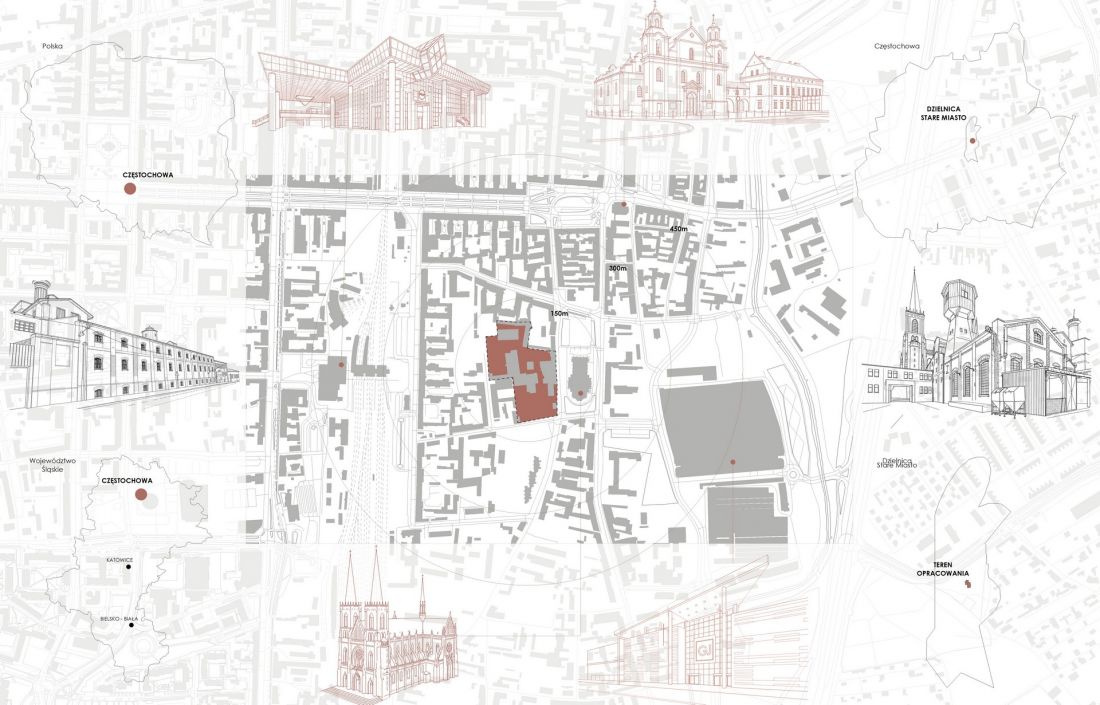
History as the Foundation of a Modern City
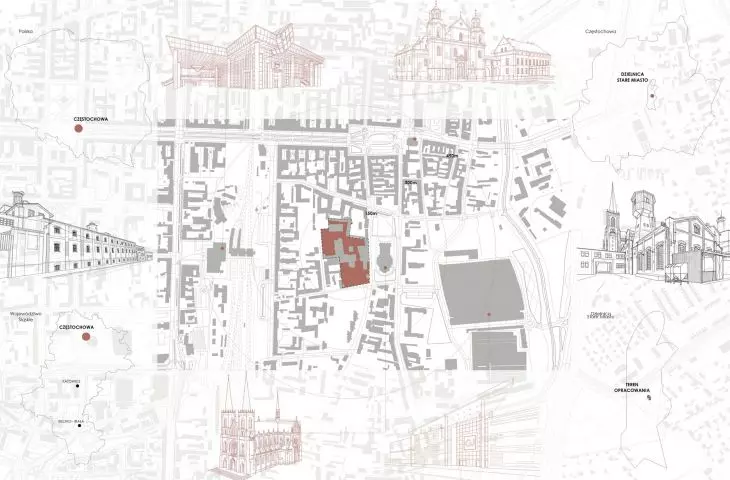
The starting point for the project was the former Kmicic Brewery in Częstochowa—a historic complex that has long remained a dilapidated and inaccessible part of the city center. Rather than treating it solely as a historic monument, the architect proposes restoring its social, educational, cultural, and service functions, thanks to which the site will once again become part of the urban fabric.
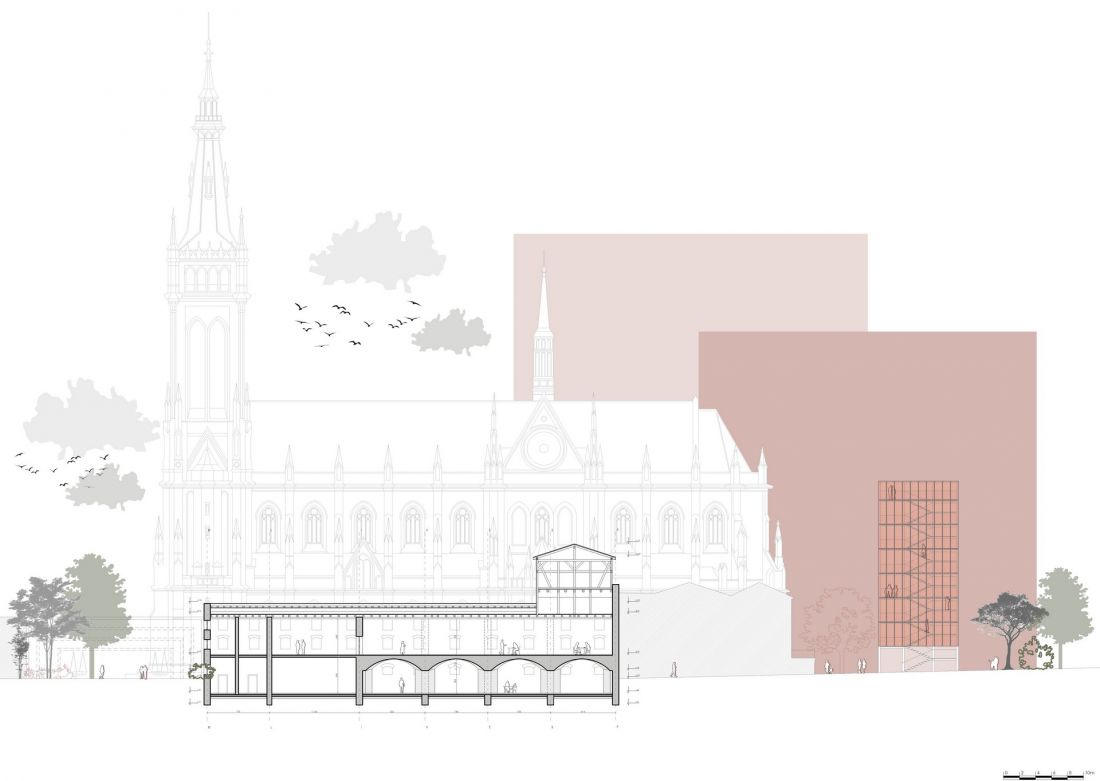
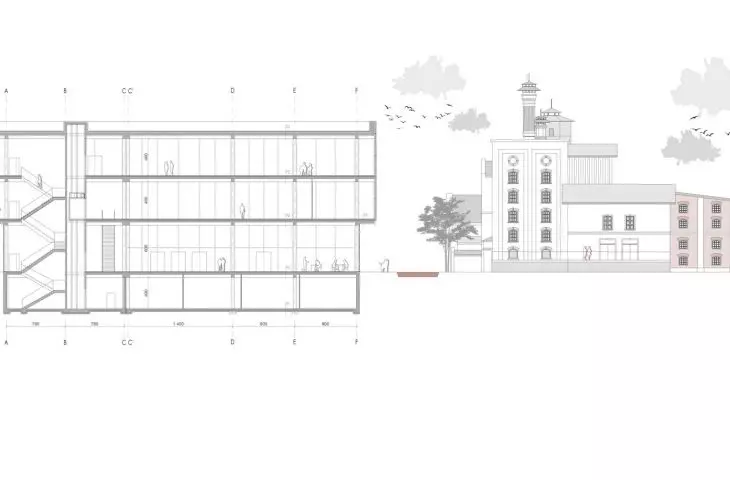
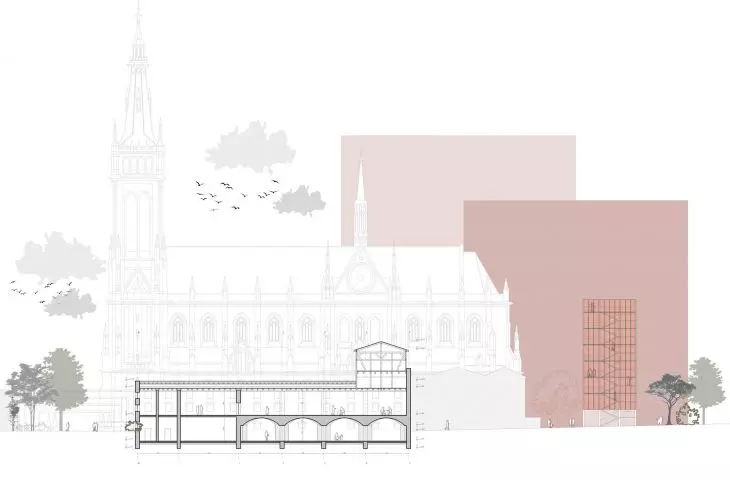
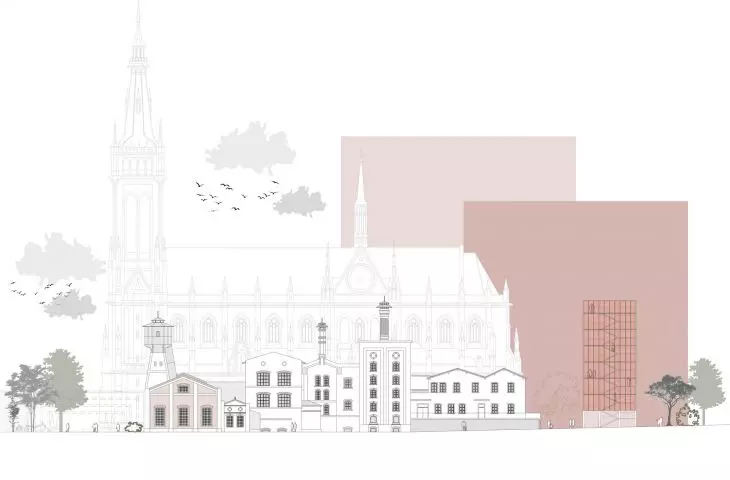
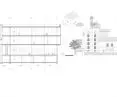
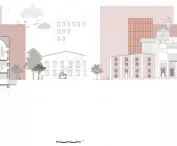
Cross-section A-A
© Aleksandra Deksymer
The project assumes that revitalization is not merely about renovating buildings, but above all about returning the space to the residents and creating conditions for the everyday use of the historic complex.
A dialogue between the old and the new
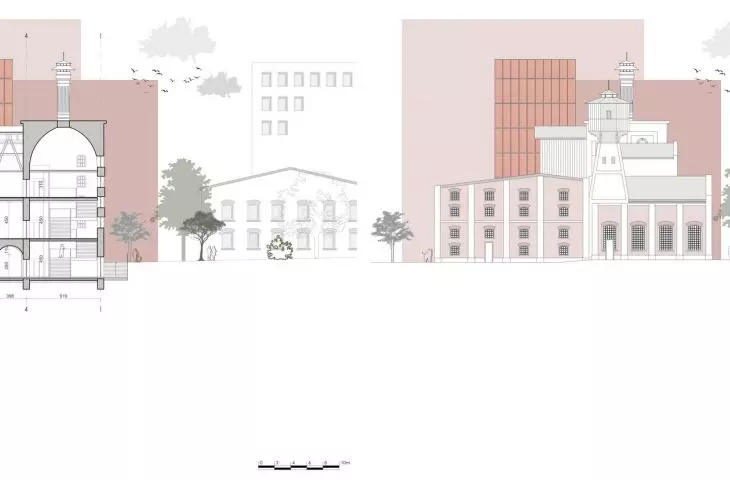
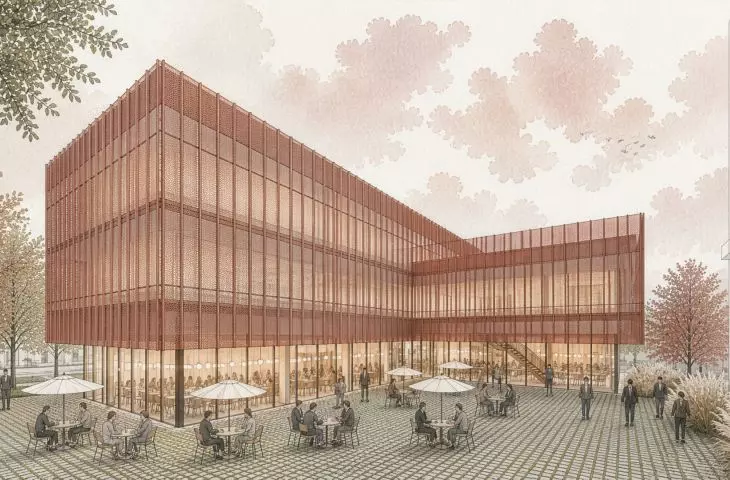
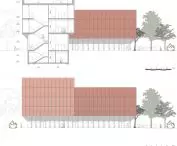
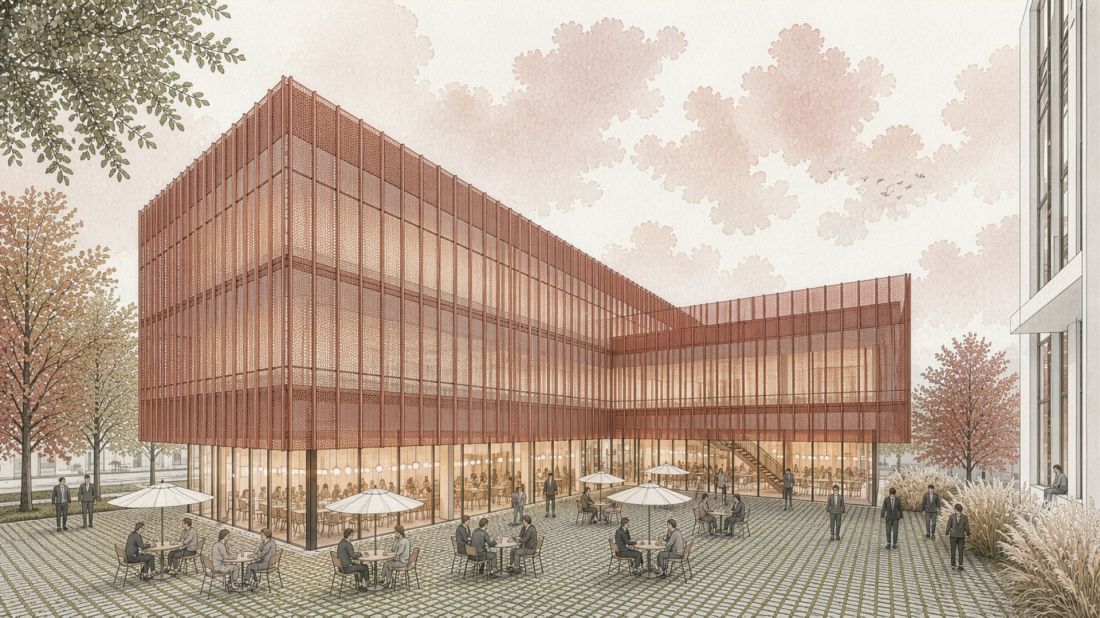
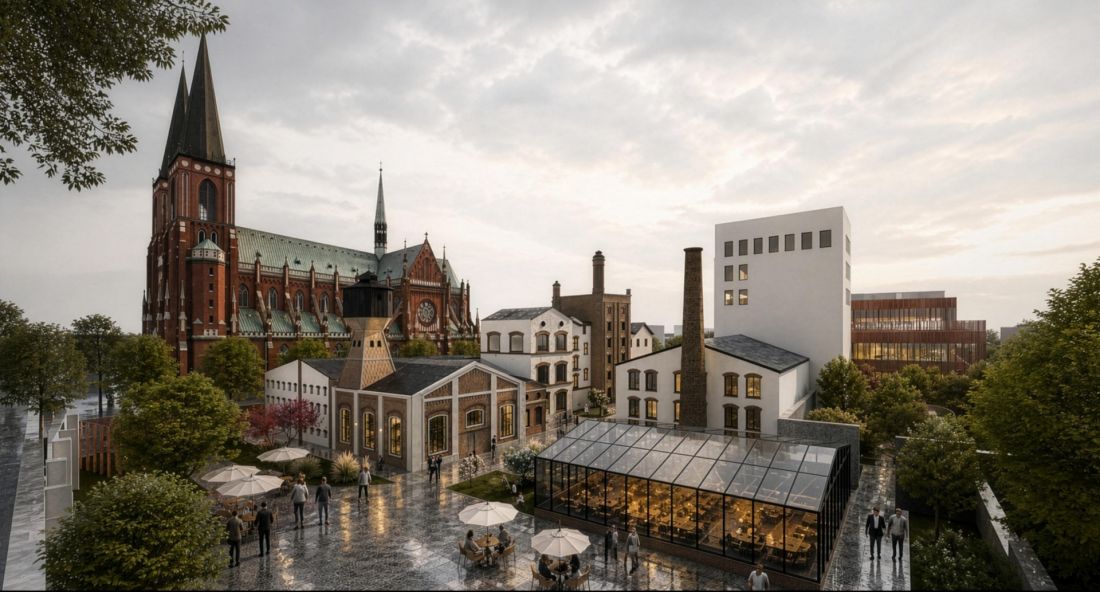
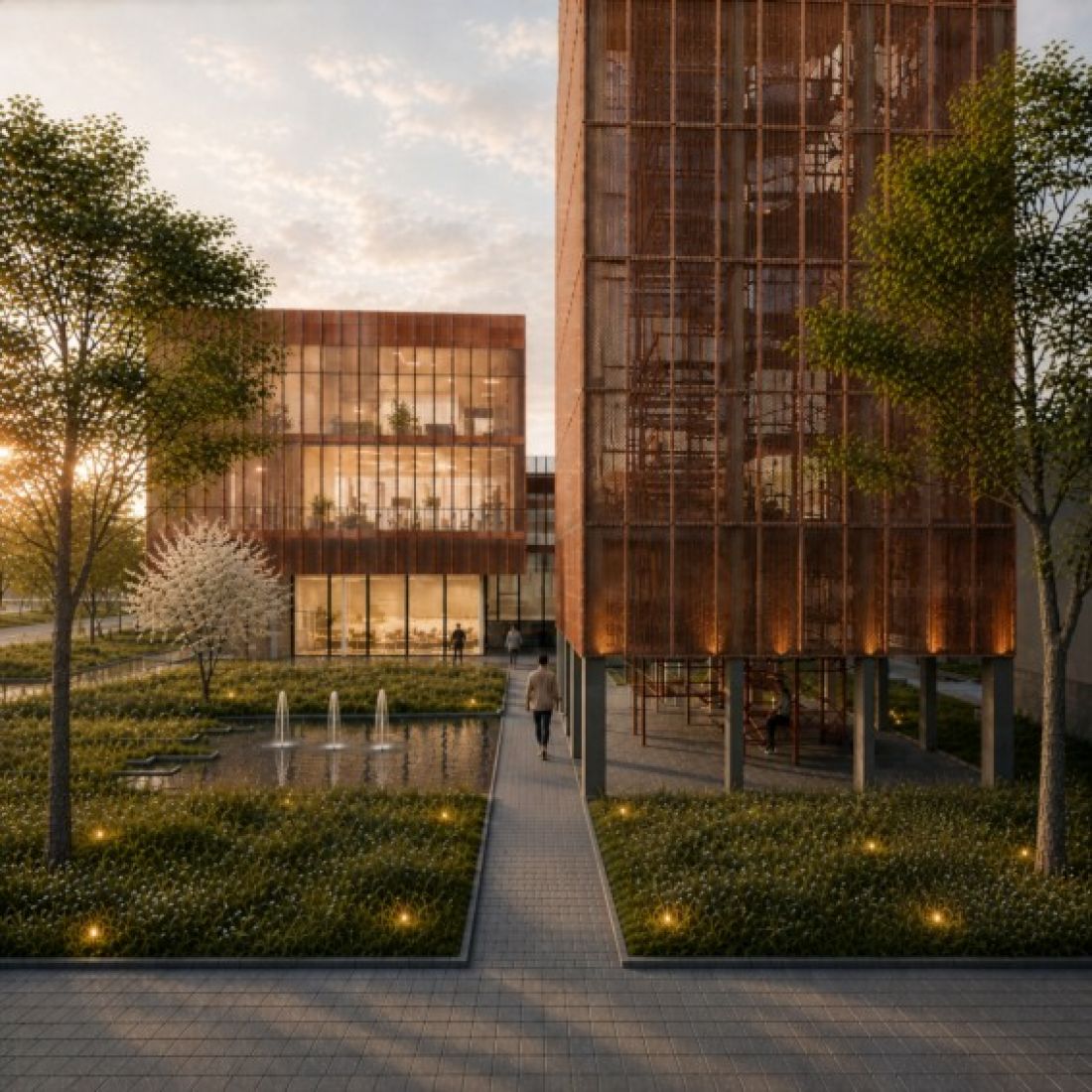
The concept is based on a deliberate juxtaposition of historic structures with modern architecture. The existing brewery buildings have been adapted for new functions while respecting their authentic character, whereas the new structures do not attempt to imitate history. Instead, it engages in a dialogue with history through simple forms, contemporary materials, and a clear distinction between what is historic and what is new.
© Aleksandra Deksymer
This approach preserves the identity of the place while responding to the needs of the modern city.
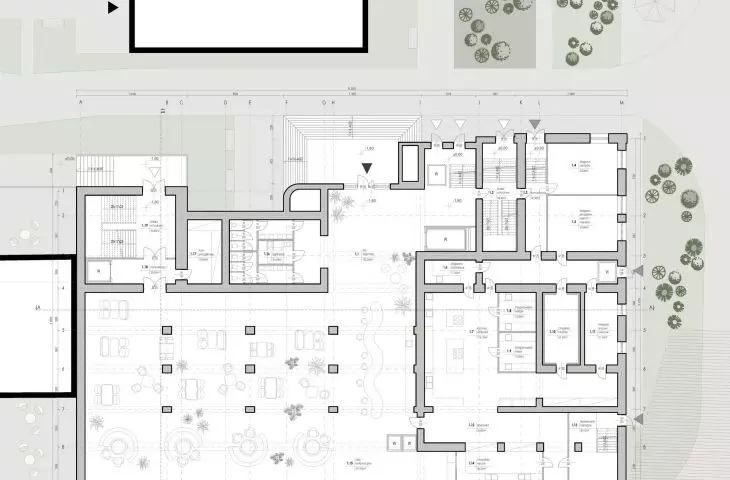
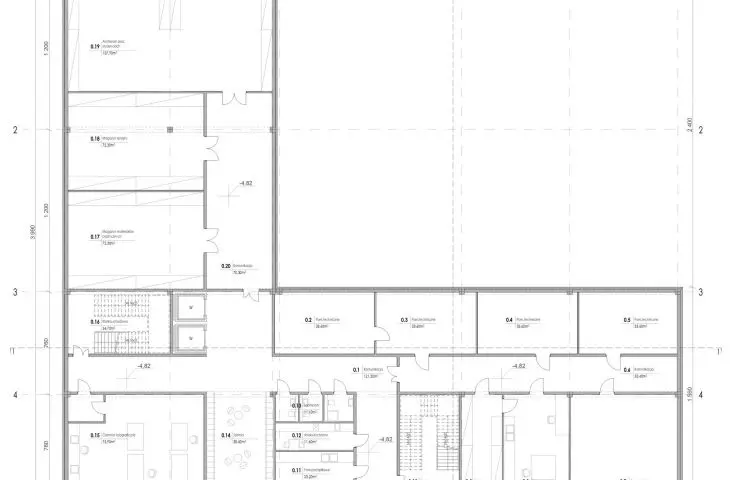
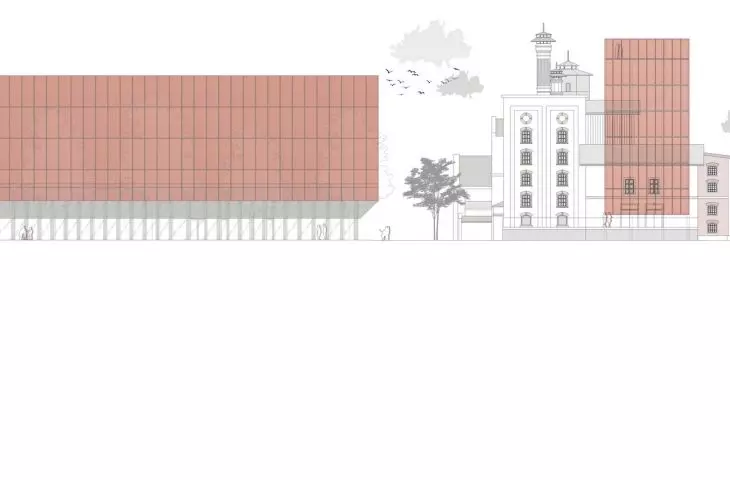
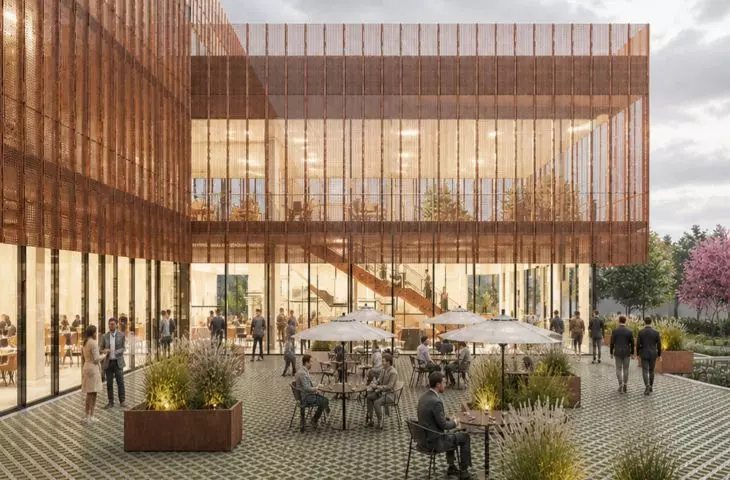
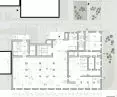
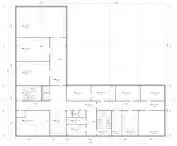
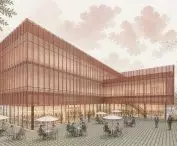
The most important element of the functional program is the establishment of a branch of the Faculty of Arts at Jan Długosz University. The presence of students, faculty, and artistic events is intended to ensure the complex’s year-round operation and serve as a catalyst for revitalizing this part of Częstochowa. The program is complemented by exhibition spaces, dining areas, craft workshops, and gathering places accessible to residents and visitors.
© Aleksandra Deksymer
a space open to residents
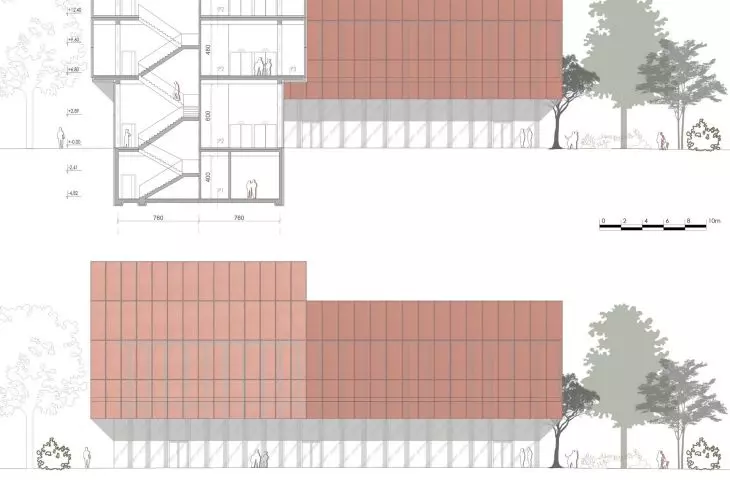
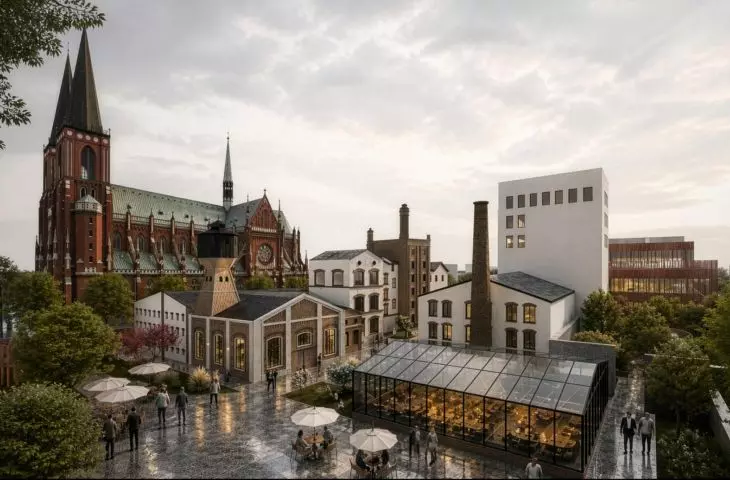
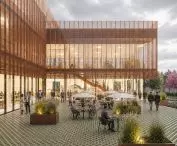
One of the project’s main objectives was to reclaim the previously closed-off site and reintegrate it into the city’s public space. A system of new squares, courtyards, and pedestrian pathways connects the former brewery to the existing street network. The complex is complemented by an observation tower, which serves as a new landmark and symbol of the transformation of the entire area.
Aleksandra Deksymer’s design demonstrates that revitalization can be a tool for conscious urban design. It is a concept that combines the preservation of post-industrial heritage with modern architecture and the needs of the local community, creating an open, multifunctional space ready for further development. The project exemplifies a responsible approach to design, in which history is not an obstacle but an inspiration for the future.
© Aleksandra Deksymer
Opinion of the Advisor, Dr. Karolina Chodura
The topic chosen by the author is interesting and complex. The subject matter stems from the author’s interests, which is evident in the insight and dedication with which she carried out her work. The aim of the thesis was to propose solutions to the spatial and social problems in the Old Town district of Częstochowa, to highlight the potential of Częstochowa’s post-industrial heritage, and to explore the opportunities arising from the reuse of post-industrial buildings. The author proposed a concept for the revitalization of the former Kmicic brewery complex. It is worth noting the author’s strong research skills, particularly her review of the current state of knowledge regarding the concept of revitalization and models for revitalizing post-industrial areas, along with a discussion of implementation examples from the province, the country, and the continent, as well as her pre-project research. The methodology adopted was sound—the author skillfully gathered and utilized existing studies and publications and conducted an analysis of reference sites that varied in function and scale. An important stage of the pre-project research was also the on-site survey, during which the author conducted a photographic inventory of the site and created sketches. The on-site surveys resulted in an in-depth understanding of the site, its strengths, and its challenges; this helped the author conduct her analysis, assess the site’s potential, and formulate conclusions, recommendations regarding conservation, and design guidelines. The architectural concept proposed by the author involves converting the former brewery building into a restaurant and expanding the complex with a modern facility serving cultural and educational functions (a branch of the local university’s art department). The site development includes a variety of recreational spaces that tie the entire complex together. The complex was designed with great respect for the surrounding landscape, and the design decisions are based on the analyses, conclusions, and design and conservation guidelines. In her design, the author paid close attention to social, historical, and cultural aspects. I rate the entire project highly, both in terms of the research and analysis and the design itself. The work addresses an interesting set of issues at the intersection of cultural heritage preservation, cultural landscape, and architectural design. The location chosen by the author is a site characterized by a rich history and numerous spatial challenges. The thesis addresses an important and timely design issue and offers the author’s unique perspective on this problem. The author has tackled an extremely interesting topic at the intersection of post-industrial architectural heritage preservation, cultural landscape, and architectural design. This work can serve as a source of knowledge and inspiration for local authorities regarding the use of local heritage, thereby contributing to the effective protection of the landscape and heritage, as well as highlighting the site’s unique qualities.